
Matt Formston AM: Blind. High Performance and Excellence.
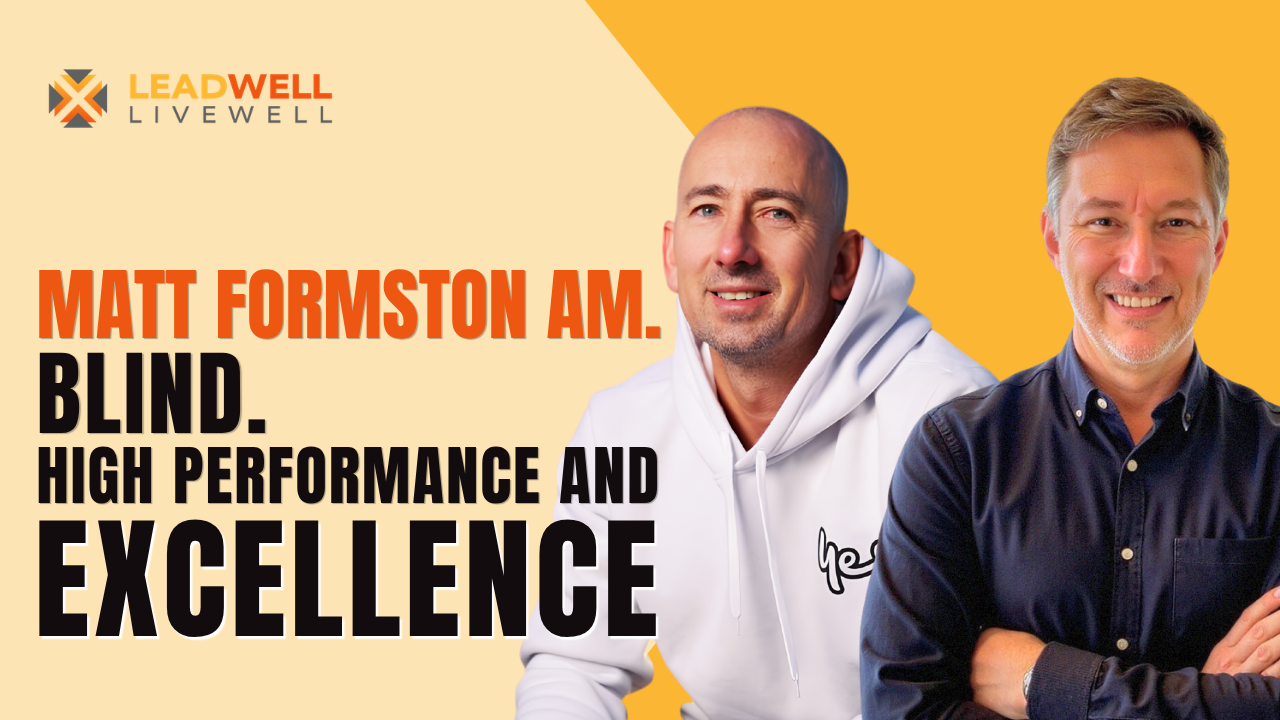
There are some conversations that remind you that high performance is rarely about talent alone.
My recent conversation with Matt Formston AM was one of them.
Matt is a high-performance athlete, senior executive, keynote speaker, and trust and leadership expert. What interested me most was not simply what he has achieved, but the thinking underneath those achievements.
We spoke about resilience, discipline, standards, trust, self-leadership and what it takes to perform consistently over time.
Watch My Conversation with Matt Formston AM
In this conversation, Matt and I explore the experiences that shaped his approach to high performance, leadership and trust, from losing most of his sight as a child to competing at the highest levels of sport while building a successful corporate career.
High Performance Is Built Before the Win
We tend to notice high performance when the result becomes visible.
The championship. The promotion. The breakthrough.
What we rarely see is everything that happened beforehand.
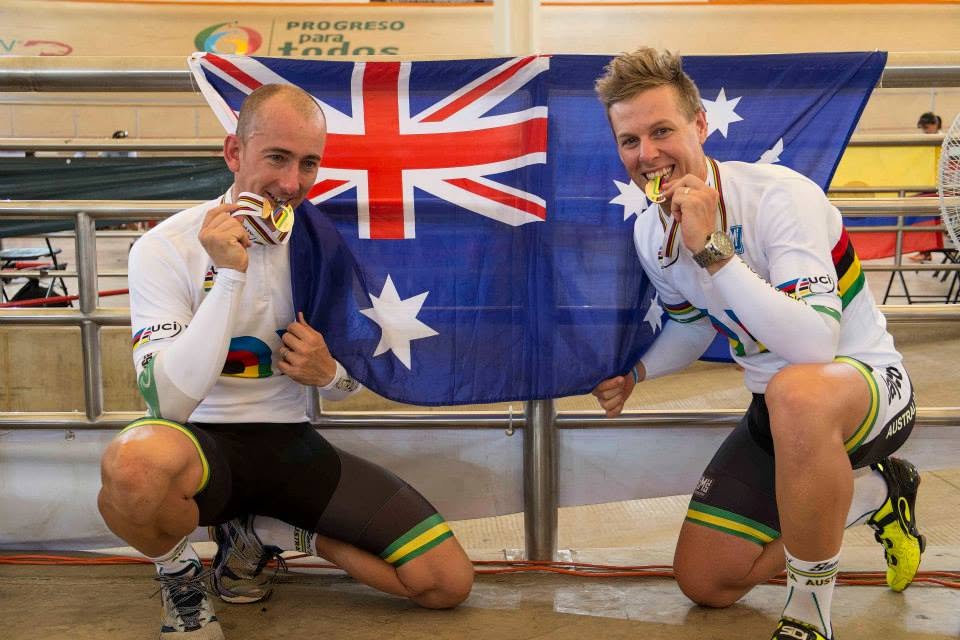
Matt spoke about reaching the highest level in cycling and realising how much work was required to compete with the best. At that level, skill matters, but so do the less glamorous things: fitness, work and discipline.
Leadership works in much the same way.
Most experienced leaders understand strategy, culture and accountability. The difference is often found in how consistently those principles are practised when things become difficult.
High performance is not simply knowing what good looks like. It is consistently doing what good requires.
Self-Leadership Comes First
One of the most powerful parts of Matt's story was the point where he realised he needed to take greater responsibility for the direction of his own life.
After a difficult period, Matt wrote down the things he wanted from life. Halfway through, he realised he was not yet many of the things he expected to find in someone else.
That shifted the focus from what other people needed to change to what he needed to change in himself.
There is an important leadership lesson in that.
When something is not working, it is easy to diagnose everyone else. The team needs more accountability. Communication needs to improve. The culture needs to change.
Sometimes those things are true. But leadership also requires us to ask:
What am I contributing to the situation I am trying to change?
Standards Matter More Than Intentions
Matt did not simply decide that he wanted things to change. He started creating standards.
He established non-negotiables around his training, preparation and approach to work. He also began analysing his meetings and conversations, looking for small changes that could produce better outcomes.
None of those actions sounds extraordinary on its own.
Together, they became a framework.
That distinction matters in business because most organisations already have good intentions. They want excellent customer service. They want accountability. They want people to communicate well. They want a high-performance culture.
But an intention is not a standard.
Goals describe where you want to go. Standards shape how you behave while getting there.
Trust Is Built in Small Moments

Our conversation also reinforced something important about trust.
We tend to think trust is established in the big moments, but it is often built much earlier through small, consistent actions.
You listen. You remember. You follow through. You consider what another person needs.
Those actions create evidence. Over time, that evidence becomes trust.
For leaders, this matters because trust cannot simply be written into a list of company values.
People decide whether they trust us based on what they consistently experience from us.
Support and High Standards Can Coexist
Matt's perspective on disability also raised an important leadership principle.
Supporting someone does not automatically mean lowering expectations.
Good leadership means understanding what people need to perform, removing unnecessary barriers and then being clear about the standard required.
People may need different tools or different forms of support, but they also need the opportunity to make a meaningful contribution.
Empathy and accountability are not opposites.
One of the most powerful things a leader can communicate is: I believe you are capable, and your contribution matters.
Listen to the Full Conversation
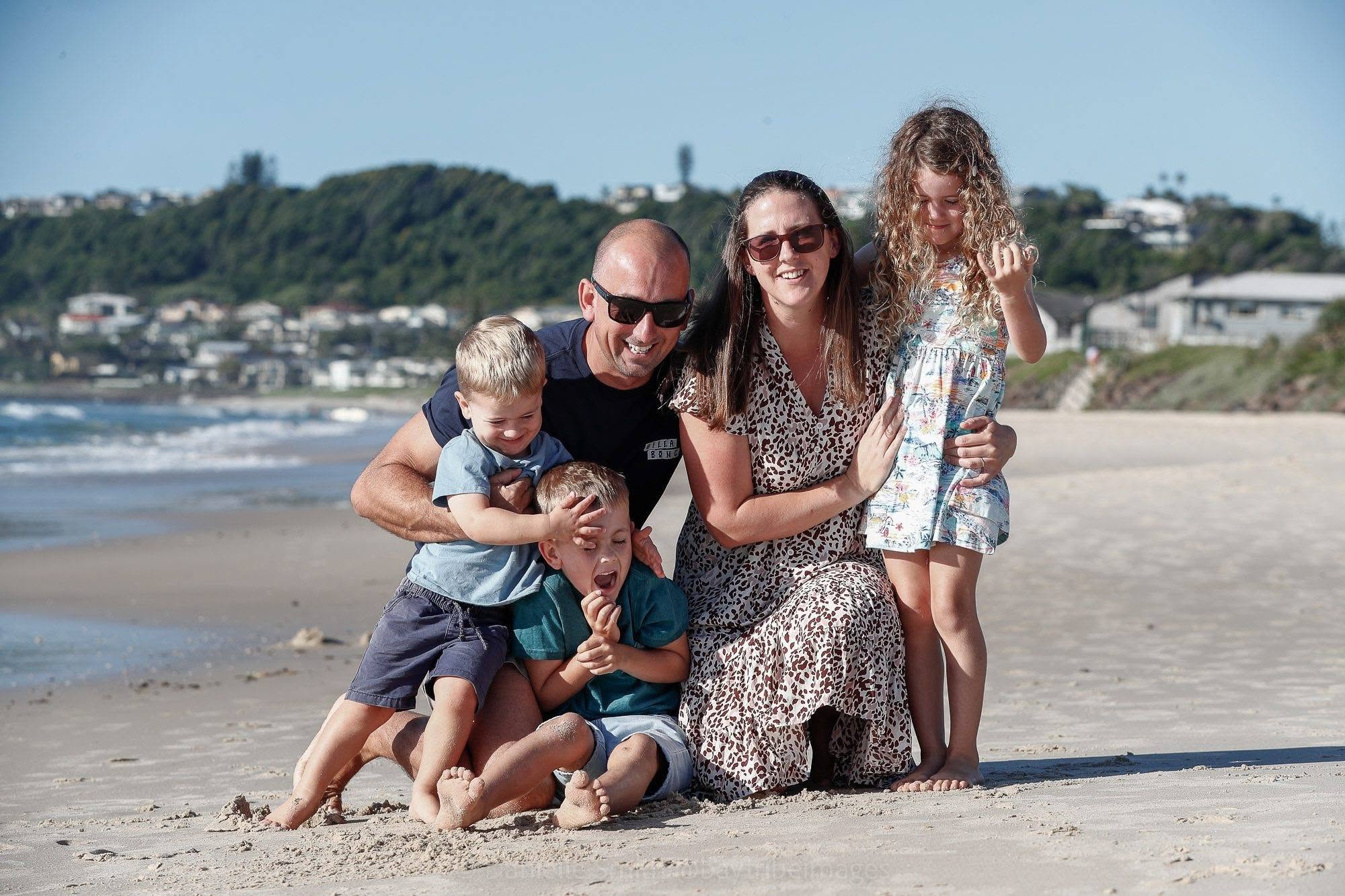
There is much more to Matt's story than we can cover here. If you prefer to listen, hear our full conversation below as we go deeper into high performance, resilience, trust, leadership, disability and the experiences that have shaped Matt's approach to both business and sport.
High Performance Is a Framework
Matt's circumstances are extraordinary, but the principles behind his performance are highly transferable.
Take responsibility. Set standards. Do the work. Build trust through consistency. Give people what they need to contribute without automatically lowering expectations.
And remember that leadership is not only about what you achieve. It is also about the value you add to the people, teams and organisations you encounter along the way.
High performance is rarely one extraordinary act. It is a framework for how you consistently show up.
About Matt Formston AM
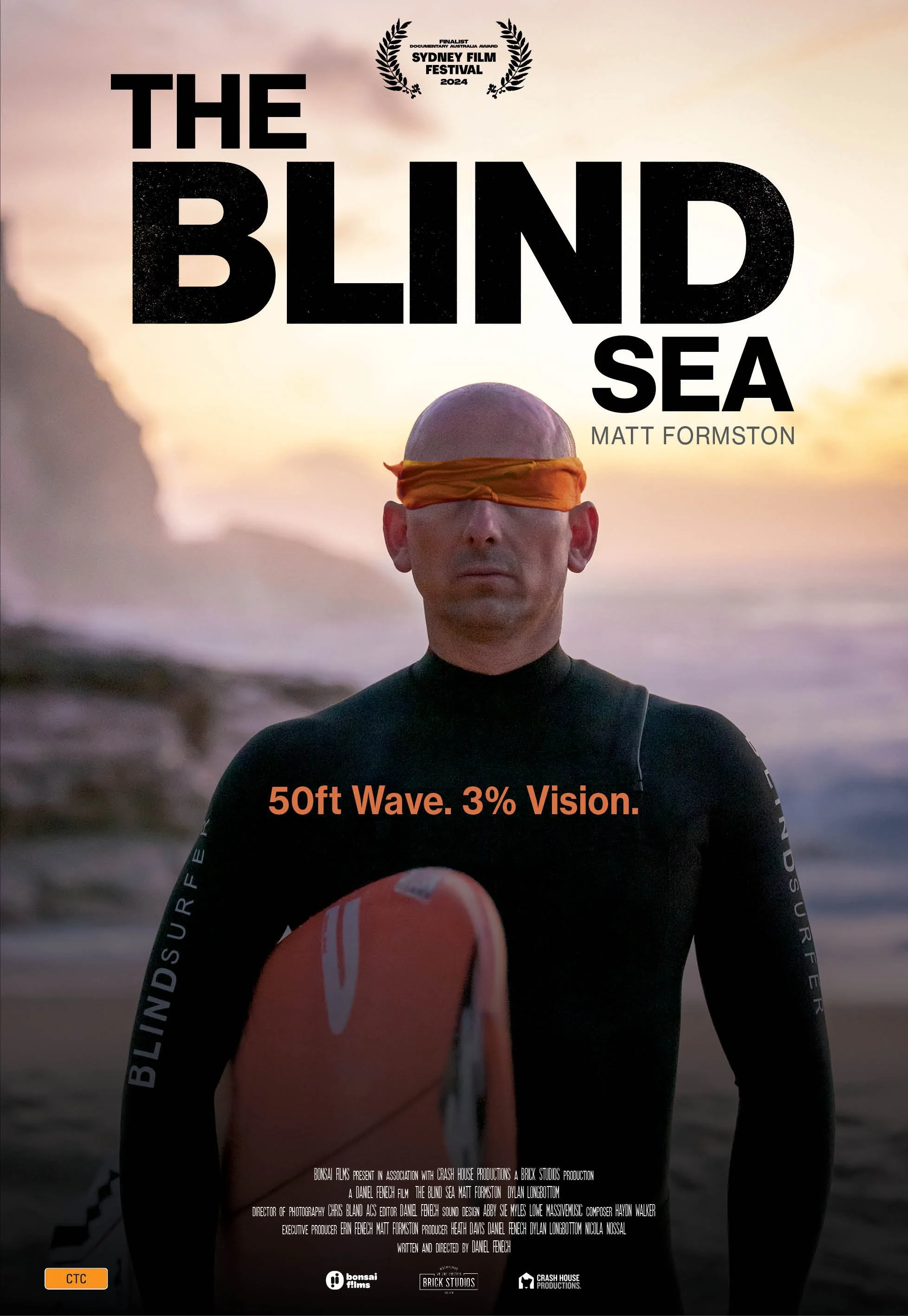
Matt Formston AM is a high-performance athlete, senior executive, keynote speaker, and trust and leadership expert.
After losing most of his sight as a child, Matt went on to compete at the highest levels of para-cycling and surfing, becoming a multiple world champion while building a successful corporate career.
The frameworks he now shares with leaders have been shaped by experience across elite sport, business and life. His work explores high performance, trust, resilience and what people are capable of achieving when they are given both opportunity and responsibility.
